
Planning & Legal Requirements For Demolition Lancashire
Understanding the importance of compliance in demolition projects is crucial for safety and environmental impact. This article explores key legislation such as the Building Act 1984, the Town and Country Planning Act 1990, and the Construction (Design and Management) Regulations 2015. It highlights the need for project managers and contractors in Lancashire to adhere to these laws, ensuring safe and responsible demolition practices that protect workers and the public while contributing to sustainable urban development.
Importance of Compliance in Demolition Projects
Demolition in Lancashire is a critical aspect of urban development, necessitating strict adherence to relevant legislation.
The primary framework for these operations is outlined in the Building Act 1984, the Town and Country Planning Act 1990, and the Construction (Design and Management) Regulations 2015 (CDM 2015).
Understanding these regulations is essential for ensuring safety, minimizing environmental impact, and maintaining public trust.
Key Legislation Impacting Demolition
The Building Act 1984 provides fundamental guidelines for constructing and demolishing buildings, ensuring that the process upholds safety for workers and the public.
Meanwhile, the Town and Country Planning Act 1990 requires that all demolition work is in line with local planning policies to help manage urban development effectively.
Moreover, the CDM 2015 regulations emphasize the importance of health and safety during construction and demolition activities, mandating that all parties involved take necessary precautions.
Ensuring Safe and Compliant Demolition
To effectively carry out demolition activities in Lancashire, project managers and contractors must familiarize themselves with these legislative requirements.
This ensures not only compliance with the law but also a commitment to responsible demolition practices. Engaging professional services that are knowledgeable about these acts can greatly facilitate a smoother, safer, and more efficient demolition process, reinforcing a culture of safety and sustainability in the construction industry.
Planning for demolition in Preston, Blackpool, Blackburn, Lancaster, Burnley, Morecambe, Ormskirk, Fleetwood, Accrington, Skelmersdale, Chorley, Heysham, Darwen, Longridge, Leyland, Oswaldtwistle, Great Harwood, and Poulton-le-Fylde
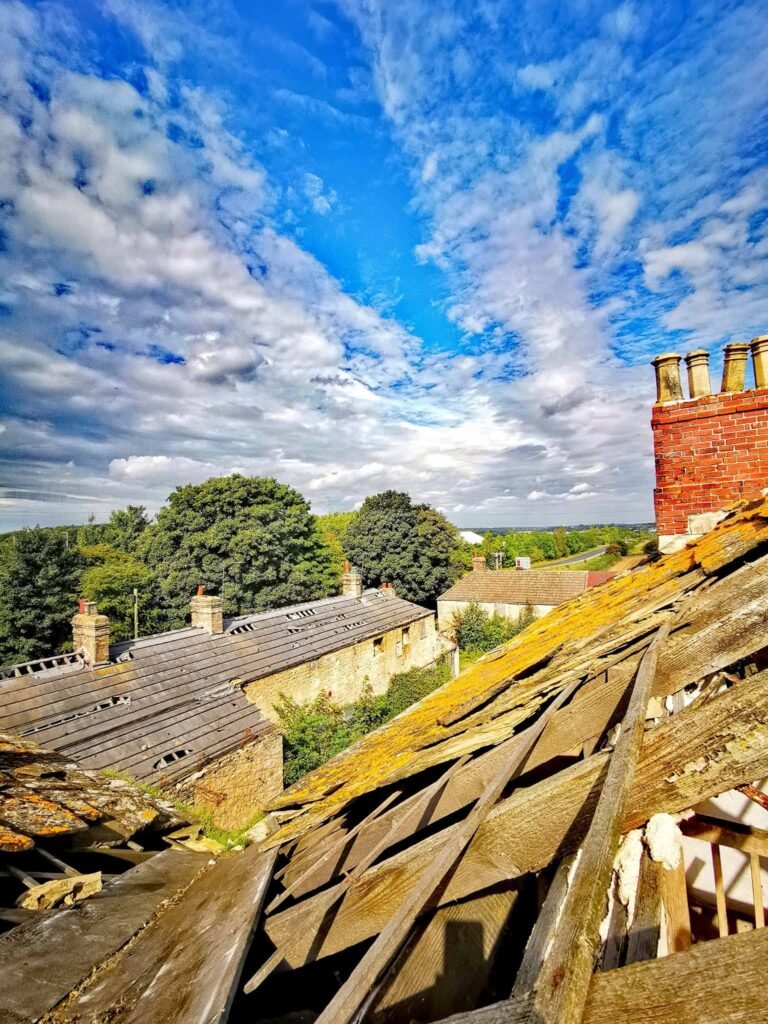
Understanding the Demolition Process: A Comprehensive Guide
Introduction to the Demolition Process
The demolition process is a critical phase in construction, necessitating a structured approach to ensure safety and compliance. It begins with thorough surveys, including structural assessments and hazardous materials evaluations, such as asbestos. These surveys are essential to identify potential risks and lay a foundation for the subsequent steps in the demolition.
Planning and Notifications
Once the surveys are complete, the next step is to develop a Construction Phase Plan (CPP) alongside Risk Assessment Method Statements (RAMS). These documents act as blueprints for safe demolition practices. It is crucial to notify the local authority by submitting a Section 80 notice. This notification must reach the relevant utility companies, neighbours, and the Health and Safety Executive (HSE), if applicable. Waiting for the required 6-week notice period is essential, during which the council may issue a Section 81 counter-notice, potentially imposing specific conditions that must be adhered to during the demolition.
Obtaining Permits and Site Preparation
Securing necessary permits is vital before moving forward. This may include planning permissions, listed building consents, or highway permits, especially for sites in protected areas. Upon obtaining the required approvals, the demolition work can commence. It is crucial to carry out the demolition according to the approved plans while adhering to all regulations to ensure site safety and security. After the demolition phase, proper site clearance must follow, involving the removal of debris and restoration of the site to meet cleanliness and safety standards, ultimately preparing it for future development.
What is a Demolition Notice?
A demolition notice, as outlined in the Building Act 1984, Section 80, is a mandatory requirement for certain types of demolition work in Lancashire. This notice serves to inform the local authority’s building control department about the planned demolition activities, allowing for necessary oversight and compliance with safety regulations.
When is a Demolition Notice Required?
For most demolitions, it is essential to submit a written demolition notice at least six weeks prior to the commencement of the work. This rule applies to buildings—or parts of buildings—that have a cubic content exceeding 1,750 cubic feet (approximately 50 cubic metres). To put this in perspective, this is roughly the size of a large domestic garage.
Exemptions from the Demolition Notice
However, not all demolition activities require a formal notice. Exemptions typically include instances of internal demolition where the building’s use continues, buildings with a cubic content beneath 50 cubic metres, agricultural structures detached from non-agricultural properties, and demolitions mandated by a demolition order. Additionally, buildings deemed uninhabitable, which can still be repaired, require specific justification for exemption from this notice.
The Importance of Planning Permission
When considering demolition projects, understanding the requirements for planning permission is crucial. While various demolitions may only necessitate a building control notice, certain situations demand either planning permission or prior approval from local authorities. This is particularly relevant when dealing with structures located in conservation areas or those that are classified as listed buildings.
Specific Cases Requiring Planning Approval
Demolitions of public venues such as pubs, theatres, and concert halls often fall under stricter regulations. If the demolition is not part of a broader redevelopment plan, it is essential to seek prior notification. Recent court rulings have expanded the scope of required notifications, accentuating the need for diligent planning to avoid potential legal challenges.
Checking Local Guidelines
Unsafe buildings, particularly those compromised by the owner’s actions or inactions, may also require planning permissions to ensure safety and compliance with legal standards. It is advisable for property owners and developers to consult the planning portal or contact their local council, such as the Preston City Council or Blackburn with Darwen Borough Council, to confirm whether planning permission is necessary for their specific demolition projects. This proactive approach can prevent unexpected delays and ensure adherence to local regulations.
Understanding the Importance of Thorough Planning
Before undertaking any demolition project, meticulous planning and specific documentation are mandatory. By knowingly preparing these essential elements, you can significantly mitigate risks and ensure safety throughout the process. Risk Assessment Method Statements (RAMS) are crucial as they outline potential hazards and articulate strategies for their mitigation. This detailed document enables all stakeholders to have a clear understanding of the associated risks.
Conducting an Asbestos Survey
One significant factor that must be addressed before demolition is the presence of asbestos-containing materials (ACMs). An intrusive survey conducted by a qualified specialist is necessary to identify any ACMs. The legal removal of these materials can only be performed by licensed contractors who are well versed in handling hazardous substances. Ensuring this step is completed not only adheres to safety standards but also avoids potential legal repercussions.
Compliance with Legal Requirements
Demolition projects come with a variety of legal obligations. Utility disconnection is paramount; all relevant services—gas, electricity, water, and telecommunications—must be safely disconnected by authorized professionals. Additionally, adjacent parties must be formally notified in writing, including contact information and project timelines. If the project exceeds certain thresholds, it is imperative to notify the Health and Safety Executive (HSE) under the CDM 2015 regulations. Furthermore, creating a waste management plan is essential for the proper disposal, recycling, and segregation of demolition waste in compliance with environmental laws.

Planning and Legal Requirements
Understanding the importance of compliance in demolition projects is crucial for safety and environmental impact. This article explores key legislation such as the Building Act 1984, the Town and Country Planning Act 1990

Section 80 Demolition Notice
Under Section 80 of the Building Act 1984, there are specific legal requirements for carrying out demolition work. This regulation aims to ensure the safety and compliance of demolition activities and protect adjoining properties and public interests.

Unsafe Building Demolition S79
Explore the significance of Section 79 of the Building Act 1984, which empowers local authorities in Lancashire to address ruinous or dilapidated structures that threaten neighborhood quality. This section plays a vital role in preserving public amenity
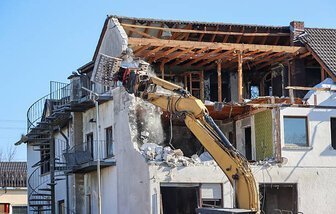
House Demolition Costs
It is crucial for homeowners to budget appropriately for a successful demolition project. It’s advisable to obtain multiple quotes from licensed demolition contractors in Lancashire to ensure a fair price.

Pre-Demolition Surveys
A pre-demolition survey is an essential inspection conducted before any demolition project in Lancashire. It identifies hazardous materials, especially asbestos, ensuring compliance with health and safety regulations.
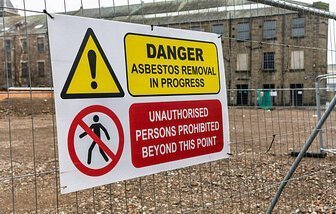
Building Demolition Costs
Factors influencing these costs include the complexity of the demolition, the materials involved, and any necessary permits that need to be secured. Environmental considerations, like asbestos removal, can also increase the overall expense.
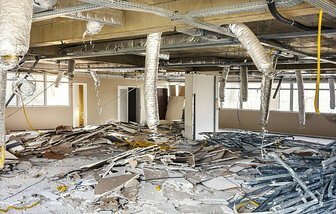
Do I Need Permission To Demolish a Building?
Building demolition in Lancashire involves a careful adherence to specific legal requirements and safety regulations, primarily guided by the Building Act 1984.
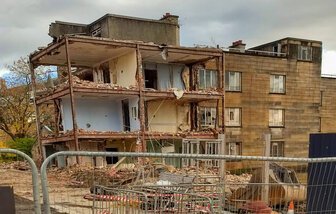
Pre-Demolition Process
The building demolition process in Lancashire involves several critical steps that ensure the procedure is conducted safely and efficiently. From the initial site survey to the actual demolition
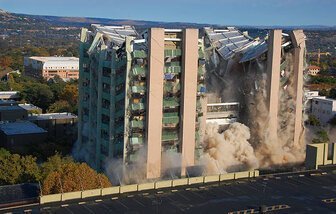
Demolition Methods
Explore the critical process of building demolition in Lancashire, focusing on common methods such as mechanical and manual demolition. Discover the importance of safety and compliance with local regulations to ensure responsible practices
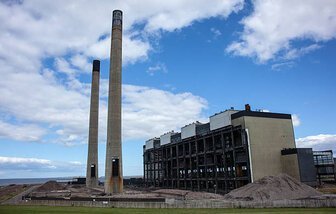
When do the CDM Regulations apply?
The Construction (Design and Management) Regulations 2015 (CDM Regulations) are vital for ensuring safety and effective management in construction projects.
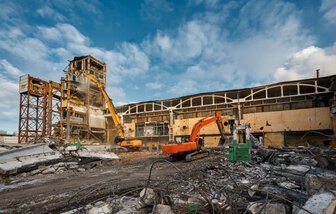
Managing Asbestos In Demolition
Managing asbestos in a demolition project in Lancashire is a critical aspect that demands meticulous planning and execution. Asbestos, a once commonly utilized material in construction, poses significant health risks when disturbed.
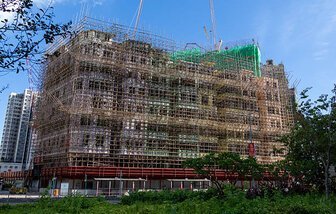
Managing Waste In Demolition
Managing demolition waste in Lancashire is a vital responsibility that contractors, builders, and property owners must undertake. Under UK environmental regulations, there is a legal duty of care on waste producers to ensure that waste is managed responsibly.
Ready to start your project?
Let's Work Together
If you’re looking to initiate a project, you’re in the right place. To get started, please complete the form provided below. Share your project details, and our dedicated team will review your requirements promptly. Our goal is to offer tailored solutions that cater specifically to your needs.
Once we receive your submission, you will receive a confirmation email. We encourage you to check all your email boxes to ensure you don’t miss our response. Our team is committed to promptly reviewing your project details, whether it involves a small-scale endeavor or a large-scale development.
Direct Submissions for Faster Quotes
If you already have a project in mind and would like to receive a direct price quote, please feel free to send us your project documents and any relevant photographs at projects@completeuk.uk. We will meticulously evaluate these documents and provide you with a competitive quote along with a clear timelines for the entire process—from inception to completion.