
Pre-Demolition Survey Lancashire
A pre-demolition survey is an essential inspection conducted before any demolition project in Lancashire. It identifies hazardous materials, especially asbestos, ensuring compliance with health and safety regulations. This thorough assessment protects workers and the public while minimizing environmental impact. Understanding the legal implications of these surveys is crucial, as the findings must be properly documented to avoid potential liabilities. Conducting a pre-demolition survey not only fulfills a legal obligation but also promotes a safer demolition process.
The Importance of Pre-Demolition Surveys in the Lancashire
A pre-demolition survey is a crucial step before any demolition project commences. In the UK, this mandatory and intrusive inspection identifies all asbestos-containing materials (ACMs), hazardous substances, and structural issues that may pose risks during demolition.
The survey is not merely a regulatory requirement; it is a vital safety measure aimed at protecting workers, the public, and the environment.
Why Are Pre-Demolition Surveys Necessary?
The primary purpose of a pre-demolition survey is to ensure that any hazardous materials, particularly asbestos, are identified and safely removed before work begins.
This legal document details the findings of the inspection and outlines necessary actions for safe removal. By conducting thorough investigations, demolition companies can mitigate the risks associated with toxic exposure and comply with health and safety regulations.
Ensuring Safety and Compliance
Engaging in a comprehensive pre-demolition survey demonstrates a commitment to safety and legal compliance. The report generated from this survey serves as a reliable reference for the subsequent demolition work and provides peace of mind to all parties involved.
It helps ensure that the project aligns with environmental standards, thus safeguarding not only those on-site but also the surrounding community.
Demolition Surveys for buildings in Preston, Blackpool, Blackburn, Lancaster, Burnley, Morecambe, Ormskirk, Fleetwood, Accrington, Skelmersdale, Chorley, Heysham, Darwen, Longridge, Leyland, Oswaldtwistle, Great Harwood, and Poulton-le-Fylde

Understanding the Final Demolition Report: A Blueprint for Safety
The Importance of Refurbishment and Demolition Surveys
If your building was constructed before the year 2000, understanding the legal requirements surrounding asbestos is essential. The Control of Asbestos Regulations (CAR) 2012 mandates that an asbestos survey is necessary before any structural work or demolition takes place. This is crucial for ensuring the safety of workers and the public, as asbestos exposure can have serious health implications.
What Does the Regulation Require?
The CAR 2012 outlines specific obligations for duty holders regarding asbestos management. If your building contains asbestos, it is your legal responsibility to understand its location and condition before any refurbishment or demolition activities commence. A refurbishment or demolition survey will help identify the presence of asbestos, allowing for safe management or removal prior to work.
Key Steps for Compliance
To comply with the Control of Asbestos Regulations, follow these key steps:
- Conduct a thorough assessment of your property to ascertain its age and potential asbestos presence.
- Hire a qualified asbestos surveyor to perform a refurbishment or demolition survey if needed.
- Ensure that any required remedial actions are taken before starting construction or demolition work.
Failure to adhere to these regulations could result in legal repercussions and significant health risks. By understanding and fulfilling your obligations, you contribute to a safer environment for everyone.
The Process of Conducting a Pre-Demolition Survey
During the survey, the building must be vacated to ensure safety. A competent, UKAS-accredited surveyor will be responsible for assessing the site. They will start by locating all Asbestos Containing Materials (ACMs), which can include materials hidden within walls, flooring, concrete, and ceilings. The thoroughness of this inspection is vital in pinpointing all potential hazards that may otherwise go unnoticed.
Sample Analysis and Hazard Identification
In addition to locating ACMs, the surveyor will take samples of suspect materials from the building. These samples are sent to an independent, UKAS-accredited laboratory for analysis. The lab confirms the presence of asbestos fibres, ensuring appropriate measures can be taken if asbestos is identified. Furthermore, the survey also identifies other potential hazards, such as lead, polychlorinated biphenyls (PCBs), and mercury, while assessing the building’s structural integrity. This comprehensive approach significantly enhances safety during the demolition process.
What is the Final Demolition Report?
The Final Demolition Report is a crucial document that acts as a comprehensive blueprint for safe demolition. It provides essential information necessary for ensuring that demolition work can proceed without hazardous risks. This report is tailored to detail various important aspects that must be addressed before starting demolition activities.
Key Components of the Report
Firstly, the report identifies the precise location, type, quantity, and condition of any identified Asbestos-Containing Materials (ACMs). Such detailed categorization is vital as it informs the demolition team and contractors about the potential hazards they may face and helps them devise appropriate handling strategies.
Recommendations for Safe Practices
In addition to identification, the Final Demolition Report significantly outlines materials that require removal or treatment prior to the commencement of demolition work. This information ensures that all necessary precautions are taken to mitigate any risks involved. Furthermore, the report includes recommendations for the next steps, emphasizing the need for the safe removal of materials by an appropriate, licensed contractor. By following the guidelines provided in this report, individuals can ensure a safer demolition process and compliance with legal obligations.

Planning and Legal Requirements
Understanding the importance of compliance in demolition projects is crucial for safety and environmental impact. This article explores key legislation such as the Building Act 1984, the Town and Country Planning Act 1990

Section 80 Demolition Notice
Under Section 80 of the Building Act 1984, there are specific legal requirements for carrying out demolition work. This regulation aims to ensure the safety and compliance of demolition activities and protect adjoining properties and public interests.

Unsafe Building Demolition S79
Explore the significance of Section 79 of the Building Act 1984, which empowers local authorities in Lancashire to address ruinous or dilapidated structures that threaten neighborhood quality. This section plays a vital role in preserving public amenity
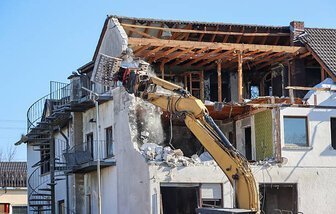
House Demolition Costs
It is crucial for homeowners to budget appropriately for a successful demolition project. It’s advisable to obtain multiple quotes from licensed demolition contractors in Lancashire to ensure a fair price.

Pre-Demolition Surveys
A pre-demolition survey is an essential inspection conducted before any demolition project in Lancashire. It identifies hazardous materials, especially asbestos, ensuring compliance with health and safety regulations.
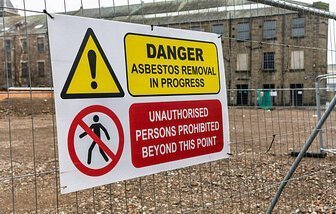
Building Demolition Costs
Factors influencing these costs include the complexity of the demolition, the materials involved, and any necessary permits that need to be secured. Environmental considerations, like asbestos removal, can also increase the overall expense.
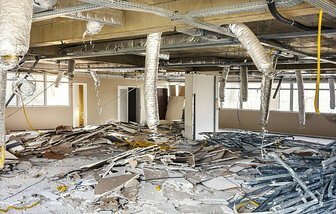
Do I Need Permission To Demolish a Building?
Building demolition in Lancashire involves a careful adherence to specific legal requirements and safety regulations, primarily guided by the Building Act 1984.
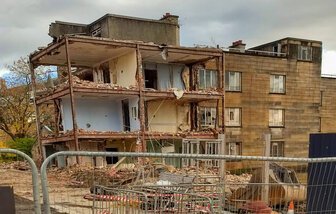
Pre-Demolition Process
The building demolition process in Lancashire involves several critical steps that ensure the procedure is conducted safely and efficiently. From the initial site survey to the actual demolition
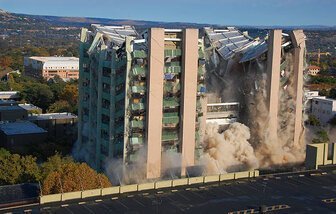
Demolition Methods
Explore the critical process of building demolition in Lancashire, focusing on common methods such as mechanical and manual demolition. Discover the importance of safety and compliance with local regulations to ensure responsible practices
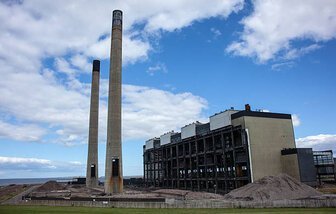
When do the CDM Regulations apply?
The Construction (Design and Management) Regulations 2015 (CDM Regulations) are vital for ensuring safety and effective management in construction projects.
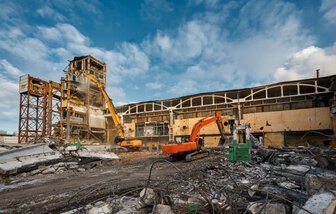
Managing Asbestos In Demolition
Managing asbestos in a demolition project in Lancashire is a critical aspect that demands meticulous planning and execution. Asbestos, a once commonly utilized material in construction, poses significant health risks when disturbed.
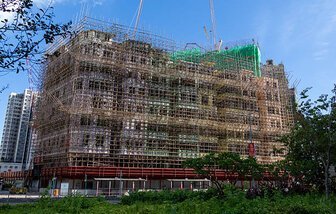
Managing Waste In Demolition
Managing demolition waste in Lancashire is a vital responsibility that contractors, builders, and property owners must undertake. Under UK environmental regulations, there is a legal duty of care on waste producers to ensure that waste is managed responsibly.
Ready to start your project?
Let's Work Together
If you’re looking to initiate a project, you’re in the right place. To get started, please complete the form provided below. Share your project details, and our dedicated team will review your requirements promptly. Our goal is to offer tailored solutions that cater specifically to your needs.
Once we receive your submission, you will receive a confirmation email. We encourage you to check all your email boxes to ensure you don’t miss our response. Our team is committed to promptly reviewing your project details, whether it involves a small-scale endeavor or a large-scale development.
Direct Submissions for Faster Quotes
If you already have a project in mind and would like to receive a direct price quote, please feel free to send us your project documents and any relevant photographs at projects@completeuk.uk. We will meticulously evaluate these documents and provide you with a competitive quote along with a clear timelines for the entire process—from inception to completion.