
When do the CDM Regulations apply in demolition in Lancashire?
Discover the importance of the Construction (Design and Management) Regulations 2015 (CDM Regulations) for demolition projects in Lancashire. This guide outlines the mandatory compliance requirements for all demolition work, emphasizing the need for risk assessments and appointing competent contractors. Understand how adhering to CDM Regulations can enhance safety and effectiveness in construction, benefiting both workers and the public. Equip yourself with key knowledge to ensure safe and lawful project execution.
Understanding the Construction (Design and Management) Regulations 2015 for Demolition Work in Lancashire
The Construction (Design and Management) Regulations 2015 (CDM Regulations) are vital for ensuring safety and effective management in construction projects.
These regulations apply to all demolition work in Lancashire, taking into consideration factors such as the project’s size, duration, and complexity.
Applicability of CDM Regulations
No matter how large or small your demolition project may be, compliance with the CDM Regulations is mandatory. This includes both commercial and domestic demolition efforts.
The primary goal of these regulations is to ensure that health and safety risks are effectively managed throughout the lifecycle of the project, protecting workers and the public alike.
Key Considerations for Compliance
When planning a demolition project in Lancashire, it is essential to familiarize yourself with the obligations set forth by the CDM Regulations.
This includes appointing competent contractors, conducting thorough risk assessments, and ensuring that all necessary documentation is maintained. By adhering to these guidelines, you not only comply with legal requirements but also contribute to a safer working environment.
Key Points for CDM Compliance in Demolition:
Understanding CDM Regulations
The Construction (Design and Management) Regulations, often referred to as CDM regulations, ensure safety and compliance in construction projects across the UK, including demolition activities. Notably, these regulations have a universal application, which means they apply to all forms of construction work, with demolition clearly included under this definition.
Proportionate Duties for Different Projects
While the CDM regulations mandate compliance for all projects, the level of documentation and effort required is proportionate to the size and risks associated with the work. This means smaller projects might have simplified requirements, while larger, riskier projects necessitate comprehensive planning and documentation.
Key Obligations and Responsibilities
Various duty holders are assigned specific legal responsibilities under CDM 2015. This includes the client, principal designer, and principal contractor, all of whom must uphold safety protocols and legal obligations during demolition undertakings. Additionally, any project involving multiple contractors mandates the appointment of both a principal designer and contractor to ensure streamlined compliance.
Before any demolition work begins, it is essential to conduct a comprehensive site survey to identify potential hazards. This includes assessing for asbestos and any hidden services that could pose risks during the demolition process. It’s crucial to note that even domestic demolition projects must adhere to these regulations, with client duties often transferred to appointed contractors or principal contractors/designers.
What Makes a Project Notifiable?
In the realm of demolition and construction, not all projects require the same notifications to the Health and Safety Executive (HSE). A project is deemed ‘notifiable’ if it fulfills specific criteria laid out by the HSE. Primarily, if a demolition endeavor is expected to take longer than 30 working days with more than 20 workers engaged simultaneously, or if it exceeds 500 person-days, it must be classified as notifiable. Understanding these parameters is essential for compliance with health and safety regulations.
Compliance with CDM Duties
Even if a project does not reach the threshold for notification, it is crucial that all Construction (Design and Management) (CDM) duties are adhered to. These regulations are established to ensure health and safety standards are maintained throughout the project lifecycle. Whether a project is notifiable or not, the responsibilities laid out in the CDM regulations remain mandatory, signifying the importance of proactive health and safety management in every demolition project.
How to Notify the HSE
If a project meets the notifiable criteria, notifying the HSE is a straightforward process. The HSE provides an online platform where you can complete an F10 form to register your project. This ensures that all necessary parties are informed and can prepare accordingly. For further guidance on fulfilling your obligations, the Construction Industry Training Board (CITB) offers comprehensive resources detailing the duties of each role under the CDM 2015 regulations, assisting various stakeholders in compliance.

Planning and Legal Requirements
Understanding the importance of compliance in demolition projects is crucial for safety and environmental impact. This article explores key legislation such as the Building Act 1984, the Town and Country Planning Act 1990

Section 80 Demolition Notice
Under Section 80 of the Building Act 1984, there are specific legal requirements for carrying out demolition work. This regulation aims to ensure the safety and compliance of demolition activities and protect adjoining properties and public interests.

Unsafe Building Demolition S79
Explore the significance of Section 79 of the Building Act 1984, which empowers local authorities in Lancashire to address ruinous or dilapidated structures that threaten neighborhood quality. This section plays a vital role in preserving public amenity
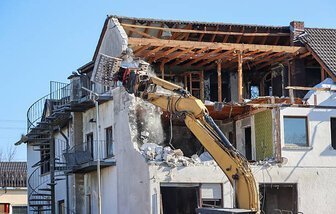
House Demolition Costs
It is crucial for homeowners to budget appropriately for a successful demolition project. It’s advisable to obtain multiple quotes from licensed demolition contractors in Lancashire to ensure a fair price.

Pre-Demolition Surveys
A pre-demolition survey is an essential inspection conducted before any demolition project in Lancashire. It identifies hazardous materials, especially asbestos, ensuring compliance with health and safety regulations.
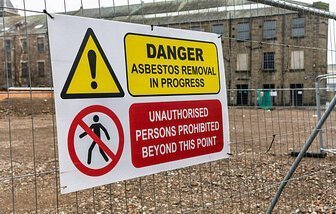
Building Demolition Costs
Factors influencing these costs include the complexity of the demolition, the materials involved, and any necessary permits that need to be secured. Environmental considerations, like asbestos removal, can also increase the overall expense.
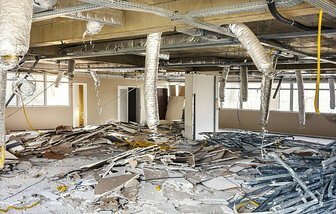
Do I Need Permission To Demolish a Building?
Building demolition in Lancashire involves a careful adherence to specific legal requirements and safety regulations, primarily guided by the Building Act 1984.
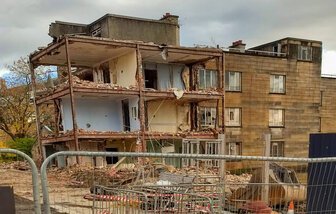
Pre-Demolition Process
The building demolition process in Lancashire involves several critical steps that ensure the procedure is conducted safely and efficiently. From the initial site survey to the actual demolition
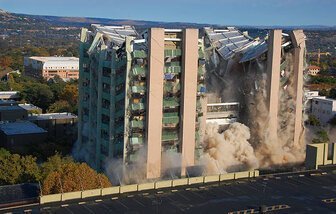
Demolition Methods
Explore the critical process of building demolition in Lancashire, focusing on common methods such as mechanical and manual demolition. Discover the importance of safety and compliance with local regulations to ensure responsible practices
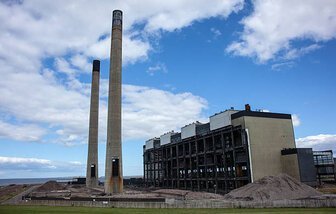
When do the CDM Regulations apply?
The Construction (Design and Management) Regulations 2015 (CDM Regulations) are vital for ensuring safety and effective management in construction projects.
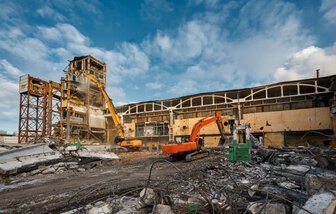
Managing Asbestos In Demolition
Managing asbestos in a demolition project in Lancashire is a critical aspect that demands meticulous planning and execution. Asbestos, a once commonly utilized material in construction, poses significant health risks when disturbed.
Managing Waste In Demolition
Managing demolition waste in Lancashire is a vital responsibility that contractors, builders, and property owners must undertake. Under UK environmental regulations, there is a legal duty of care on waste producers to ensure that waste is managed responsibly.
Ready to start your project?
Let's Work Together
If you’re looking to initiate a project, you’re in the right place. To get started, please complete the form provided below. Share your project details, and our dedicated team will review your requirements promptly. Our goal is to offer tailored solutions that cater specifically to your needs.
Once we receive your submission, you will receive a confirmation email. We encourage you to check all your email boxes to ensure you don’t miss our response. Our team is committed to promptly reviewing your project details, whether it involves a small-scale endeavor or a large-scale development.
Direct Submissions for Faster Quotes
If you already have a project in mind and would like to receive a direct price quote, please feel free to send us your project documents and any relevant photographs at projects@completeuk.uk. We will meticulously evaluate these documents and provide you with a competitive quote along with a clear timelines for the entire process—from inception to completion.