
Building Demolition Costs Lancashire
A pre-demolition survey is an essential inspection conducted before any demolition project in Lancashire. It identifies hazardous materials, especially asbestos, ensuring compliance with health and safety regulations. This thorough assessment protects workers and the public while minimizing environmental impact. Understanding the legal implications of these surveys is crucial, as the findings must be properly documented to avoid potential liabilities. Conducting a pre-demolition survey not only fulfills a legal obligation but also promotes a safer demolition process.
Understanding the Cost of Building Demolition in Lancashire
When considering construction projects in Lancashire, understanding the costs associated with building demolition is essential for effective budgeting.
The price to demolish a building can vary significantly based on several factors, including the structure’s size, location, and type.
Factors Influencing Demolition Costs
The cost to demolish a building in Lancashire generally ranges from a few thousand pounds for small structures, such as residential homes, to potentially hundreds of thousands of pounds for larger commercial projects.
Factors influencing these costs include the complexity of the demolition, the materials involved, and any necessary permits that need to be secured. Environmental considerations, like asbestos removal, can also increase the overall expense.
Budgeting for Building Demolition
When planning your budget, it is advisable to obtain multiple quotes from reputable demolition contractors in Lancashire. This will not only provide a clearer picture of the actual costs involved but also ensure that you are choosing a trustworthy contractor.
Remember, while it might be tempting to opt for the lowest bid, ensure that the contractor has a solid track record and can provide references.
In conclusion, understanding the costs to demolish a building in Lancashire and the factors that impact these costs is vital for any construction project. By doing thorough research and consulting with professionals, you can prepare effectively for your demolition and the subsequent build.
Building demolition costs in Preston, Blackpool, Blackburn, Lancaster, Burnley, Morecambe, Ormskirk, Fleetwood, Accrington, Skelmersdale, Chorley, Heysham, Darwen, Longridge, Leyland, Oswaldtwistle, Great Harwood, and Poulton-le-Fylde
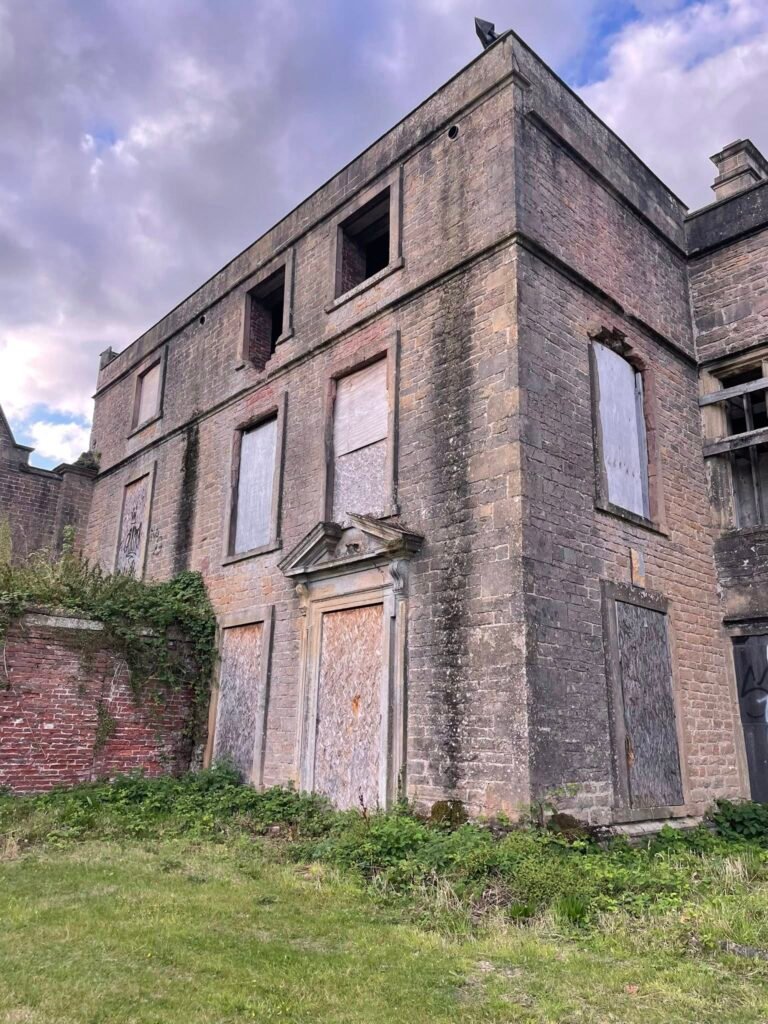
Understanding the Key Factors Affecting Demolition Costs
Introduction to Demolition Costs
When considering demolition in Lancashire, it’s essential to understand the various factors that influence the overall costs. Exact prices may vary based on a detailed assessment of the property, including size, location, and complexity. This guide provides average price ranges, making it easier for you to budget your demolition project.
Average Costs for Small Structures
For small structures such as garages or sheds, demolition costs typically range from £500 to £3,000. This price range often reflects the simpler nature of these projects, where structural complexities are minimal, making removal straightforward. However, costs can increase depending on local regulations and environmental considerations.
Demolition Pricing for Residential Properties
The costs for demolishing small to medium-sized residential buildings also vary significantly. For small detached houses, typically ranging from 80 to 120 square meters, expect costs between £6,500 and £10,000. On the higher end, large detached houses between 200 and 250 square meters can incur costs from £16,000 to £20,000. These prices account for the added complexities involved in safely removing residential properties.
Commercial and Larger Projects
When it comes to commercial units, office blocks, and schools, demolition costs start at around £25,000. This pricing can vary significantly based on the size and complexity of the project. Factors such as the need for environmental assessments, hazardous material removal, and local regulations play a crucial role in determining the final cost.
In summary, understanding typical demolition costs in Lancashire can help you make more informed decisions about your demolition project while ensuring compliance with local standards. Always consult with professionals for an accurate assessment tailored to your specific needs.
The final price of a demolition project is determined by several key variables. Understanding these factors can help property owners budget effectively and avoid unexpected expenses.
Size and Type of Building
Larger and more complex structures require significantly more labor, equipment, and time to demolish. Therefore, the size and type of building play a crucial role in determining the overall cost. Generally, more intricate designs entail higher expenses due to the additional resources needed to ensure a safe and efficient demolition process.
Location and Accessibility
The location of the demolition site also influences costs. Tight urban plots or hard-to-access areas can escalate expenses, primarily due to logistical challenges. In such scenarios, specialized machinery may be necessary, contributing further to the overall budget.
Materials and Hazardous Substances
The materials used in construction can affect disposal costs as well. Heavier materials like brick and concrete tend to be more expensive to handle compared to timber. Furthermore, the presence of hazardous materials, such as asbestos or lead paint, requires specialized handling and disposal, which can substantially raise costs—adding anywhere from £1,500 to £3,000 for asbestos removal alone.
Utility Disconnections
Before demolition can begin, all mains services, including gas, electricity, water, and drainage, must be professionally disconnected. This can add between £500 to £1,500 for each utility affected, further increasing the total cost.
Permits and Regulatory Considerations
Although demolition might often fall under \

Planning and Legal Requirements
Understanding the importance of compliance in demolition projects is crucial for safety and environmental impact. This article explores key legislation such as the Building Act 1984, the Town and Country Planning Act 1990

Section 80 Demolition Notice
Under Section 80 of the Building Act 1984, there are specific legal requirements for carrying out demolition work. This regulation aims to ensure the safety and compliance of demolition activities and protect adjoining properties and public interests.

Unsafe Building Demolition S79
Explore the significance of Section 79 of the Building Act 1984, which empowers local authorities in Lancashire to address ruinous or dilapidated structures that threaten neighborhood quality. This section plays a vital role in preserving public amenity
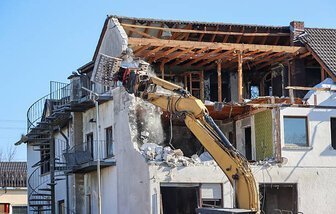
House Demolition Costs
It is crucial for homeowners to budget appropriately for a successful demolition project. It’s advisable to obtain multiple quotes from licensed demolition contractors in Lancashire to ensure a fair price.

Pre-Demolition Surveys
A pre-demolition survey is an essential inspection conducted before any demolition project in Lancashire. It identifies hazardous materials, especially asbestos, ensuring compliance with health and safety regulations.
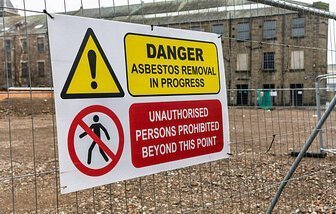
Building Demolition Costs
Factors influencing these costs include the complexity of the demolition, the materials involved, and any necessary permits that need to be secured. Environmental considerations, like asbestos removal, can also increase the overall expense.
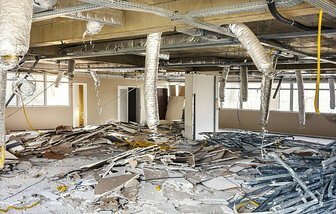
Do I Need Permission To Demolish a Building?
Building demolition in Lancashire involves a careful adherence to specific legal requirements and safety regulations, primarily guided by the Building Act 1984.
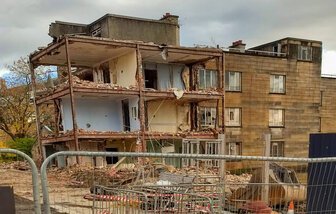
Pre-Demolition Process
The building demolition process in Lancashire involves several critical steps that ensure the procedure is conducted safely and efficiently. From the initial site survey to the actual demolition
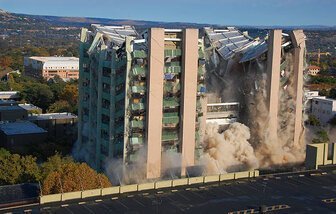
Demolition Methods
Explore the critical process of building demolition in Lancashire, focusing on common methods such as mechanical and manual demolition. Discover the importance of safety and compliance with local regulations to ensure responsible practices
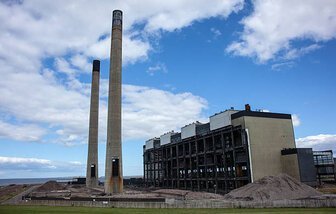
When do the CDM Regulations apply?
The Construction (Design and Management) Regulations 2015 (CDM Regulations) are vital for ensuring safety and effective management in construction projects.
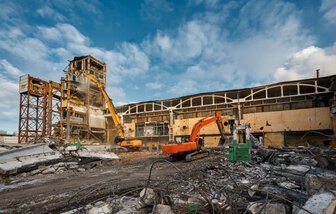
Managing Asbestos In Demolition
Managing asbestos in a demolition project in Lancashire is a critical aspect that demands meticulous planning and execution. Asbestos, a once commonly utilized material in construction, poses significant health risks when disturbed.
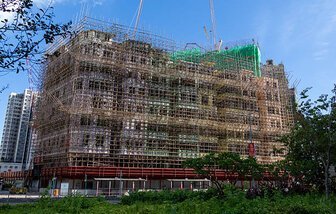
Managing Waste In Demolition
Managing demolition waste in Lancashire is a vital responsibility that contractors, builders, and property owners must undertake. Under UK environmental regulations, there is a legal duty of care on waste producers to ensure that waste is managed responsibly.
Ready to start your project?
Let's Work Together
If you’re looking to initiate a project, you’re in the right place. To get started, please complete the form provided below. Share your project details, and our dedicated team will review your requirements promptly. Our goal is to offer tailored solutions that cater specifically to your needs.
Once we receive your submission, you will receive a confirmation email. We encourage you to check all your email boxes to ensure you don’t miss our response. Our team is committed to promptly reviewing your project details, whether it involves a small-scale endeavor or a large-scale development.
Direct Submissions for Faster Quotes
If you already have a project in mind and would like to receive a direct price quote, please feel free to send us your project documents and any relevant photographs at projects@completeuk.uk. We will meticulously evaluate these documents and provide you with a competitive quote along with a clear timelines for the entire process—from inception to completion.