
Do I Need Permission To Demolish a Building In Lancashire?
Explore the essential aspects of building demolition in Lancashire, including legal requirements and safety regulations established by the Building Act 1984. This guide highlights the necessary permissions and notifications required before commencing a demolition project. It emphasizes the importance of site safety, featuring crucial measures like risk assessments, training for workers, and managing hazardous materials. Stay compliant with local authorities to ensure a safe and successful demolition process in Lancashire.
Understanding Building Demolition in Lancashire: Legal Requirements and Safety Protocols
Building demolition in Lancashire involves a careful adherence to specific legal requirements and safety regulations, primarily guided by the Building Act 1984.
As you prepare for a demolition project, understanding these requirements is crucial to prevent legal complications and ensure the safety of all individuals involved.
Necessary Permissions and Notifications
One of the primary concerns when planning a demolition project is obtaining the necessary permissions. Before any work begins, it is essential to notify your local council about your intentions.
This notification process usually includes submitting relevant documents and plans for review. Additionally, specific permissions must be secured based on the type and scale of the demolition. Always check with local authorities to ensure compliance with Lancashire’s regulations.
Ensuring Site Safety During Demolition
Safety is a paramount concern in any demolition project. Implementing strict safety protocols not only protects workers but also minimizes risks to the public.
Proper site safety measures include conducting thorough risk assessments and developing a robust safety plan. Considerations like managing hazardous materials, providing adequate training for workers, and ensuring proper signage can significantly contribute to a safe working environment.
By focusing on these essential aspects, you can successfully manage a building demolition in Lancashire while adhering to the legal framework established by the Building Act 1984.
Do i need permission to demolish a building in Preston, Blackpool, Blackburn, Lancaster, Burnley, Morecambe, Ormskirk, Fleetwood, Accrington, Skelmersdale, Chorley, Heysham, Darwen, Longridge, Leyland, Oswaldtwistle, Great Harwood, and Poulton-le-Fylde
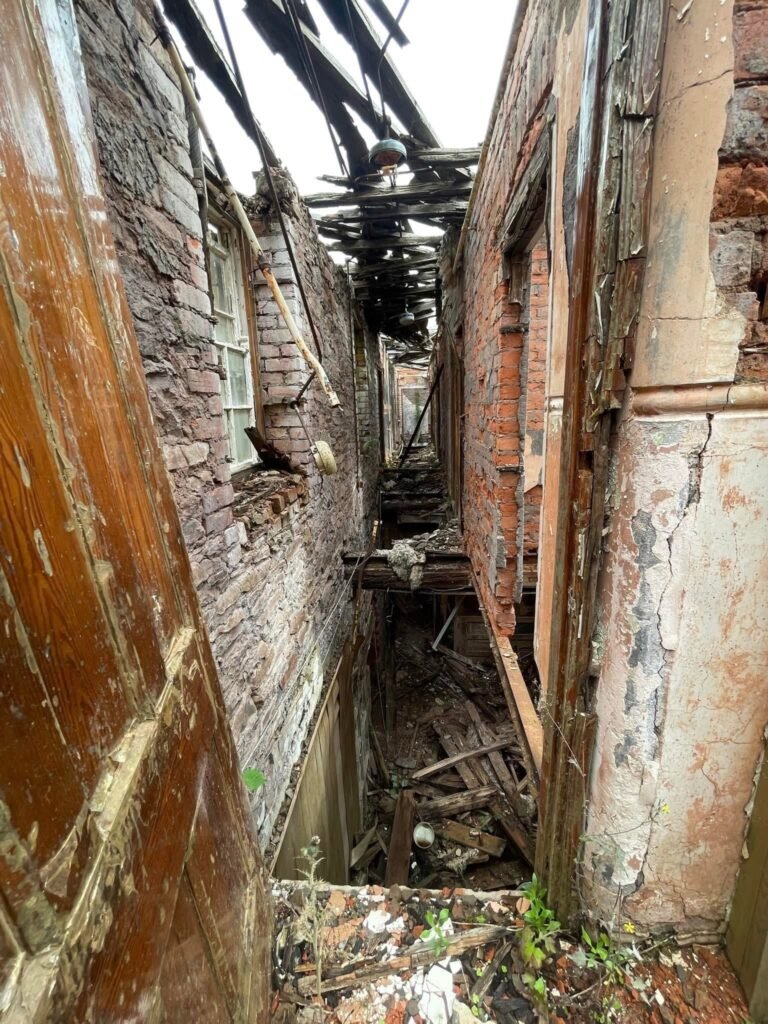
Understanding the Key Legal Factors Affecting Demolition
Understanding Demolition Permissions
When considering demolishing a building, a common question arises: do I need permission to demolish a building? The answer is a definitive yes. Generally, the demolition of any structure exceeding 50 cubic metres necessitates a written “demolition notice,” also known as a section 80 notice. This notice must be submitted to the local authority’s building control department at least six weeks before commencing any demolition work.
Exceptions to the Rule
While the general requirement for a demolition notice is clear, there are exceptions that may apply. In cases where demolition is urgently required for safety or health purposes, the standard notice may be waived. Additionally, smaller structures, such as conservatories, sheds, or prefabricated garages, frequently do not require this written permission. Furthermore, certain agricultural buildings may also be exempt from needing a demolition notice, allowing for quicker action when necessary.
Importance of Compliance
Despite some exemptions, it is crucial to comply with local regulations to avoid potential legal ramifications. Ensuring that you have the proper permissions not only safeguards you against fines or penalties but also ensures that the surrounding community’s safety standards are maintained. Therefore, before proceeding with any demolition, it is prudent to consult with your local authority to confirm the specific requirements applicable to your situation.
Factors Affecting the Need for Permission
Several factors can influence whether you need planning permission for your demolition. Notably, if your site is located in a conservation area, has a listed building status, or involves a structure such as a pub or theatre, obtaining planning permission could be mandatory. These areas often have protections in place to preserve the architectural and historical integrity of the structures.
Your Next Steps: Assessing Requirements
If you are planning to redevelop the site and have already secured planning permission for the new construction, a separate demolition planning consent may not be necessary. However, it is always advisable to consult with your local planning authority to clarify the requirements relevant to your specific situation. Additionally, failing to adhere to planning regulations can lead to penalties or unexpected delays in your project.
Introduction
Demolition projects require careful planning and compliance with legal requirements. One crucial aspect is notifying specific parties before proceeding with the demolition. This guide outlines the individuals and organizations you must inform to ensure a smooth process.
Key Parties to Notify
Before your demolition begins, it’s important to notify statutory undertakers, which include utility companies responsible for gas, electricity, water, and drainage services. These organizations must be informed in writing to avoid complications during the demolition process.
Adjacent Property Owners and Authorities
In addition to utility companies, you must notify the owners and occupiers of adjacent properties, particularly if your demolition activities could impact party walls. Furthermore, your notification obligations extend to the Health and Safety Executive (HSE), which safeguards the welfare of all parties involved in the project.
Local Authority Requirements
Finally, your local authority might issue a Section 81
Introduction to Demolition Notice Applications
When planning a demolition project, it is crucial to ensure that you have all the required documentation in place prior to submitting your demolition notice. This process not only ensures compliance with regulations but also aids in streamlining communication with relevant parties, including neighboring properties and utility companies.
Key Documentation Requirements
To submit your demolition notice, you typically need to provide several key documents. The first essential requirement is a site location plan, which clearly illustrates the area where the demolition will occur. This plan serves as a visual reference for regulatory bodies and stakeholders.
Additionally, a site plan showing all drains and sewers is necessary. This helps to identify existing infrastructure and prevents potential damages that could arise during the demolition process. It is also vital to include copies of your notifications to adjacent properties and utility companies, ensuring that everyone is informed about the upcoming work.
Proposed Timelines and Safety Considerations
In your application, you should also state the proposed start and completion dates of the demolition. This information allows for better planning and coordination among involved parties. Furthermore, a Risk Assessment Method Statement (RAMS) along with a Health and Safety plan must be included. These documents highlight safety measures and strategies to mitigate risks during the demolition process.
In summary, following these guidelines and including the necessary documentation will facilitate a smoother demolition application process, ensuring that safety and compliance are prioritized throughout the project.

Planning and Legal Requirements
Understanding the importance of compliance in demolition projects is crucial for safety and environmental impact. This article explores key legislation such as the Building Act 1984, the Town and Country Planning Act 1990

Section 80 Demolition Notice
Under Section 80 of the Building Act 1984, there are specific legal requirements for carrying out demolition work. This regulation aims to ensure the safety and compliance of demolition activities and protect adjoining properties and public interests.

Unsafe Building Demolition S79
Explore the significance of Section 79 of the Building Act 1984, which empowers local authorities in Lancashire to address ruinous or dilapidated structures that threaten neighborhood quality. This section plays a vital role in preserving public amenity
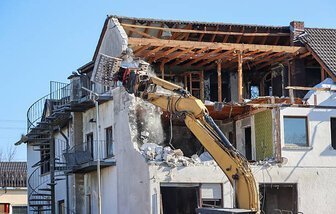
House Demolition Costs
It is crucial for homeowners to budget appropriately for a successful demolition project. It’s advisable to obtain multiple quotes from licensed demolition contractors in Lancashire to ensure a fair price.

Pre-Demolition Surveys
A pre-demolition survey is an essential inspection conducted before any demolition project in Lancashire. It identifies hazardous materials, especially asbestos, ensuring compliance with health and safety regulations.
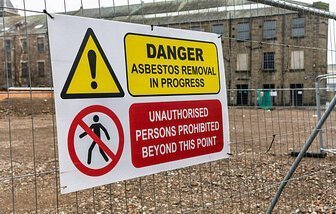
Building Demolition Costs
Factors influencing these costs include the complexity of the demolition, the materials involved, and any necessary permits that need to be secured. Environmental considerations, like asbestos removal, can also increase the overall expense.
Do I Need Permission To Demolish a Building?
Building demolition in Lancashire involves a careful adherence to specific legal requirements and safety regulations, primarily guided by the Building Act 1984.
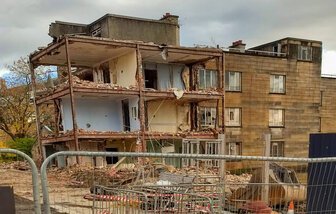
Pre-Demolition Process
The building demolition process in Lancashire involves several critical steps that ensure the procedure is conducted safely and efficiently. From the initial site survey to the actual demolition
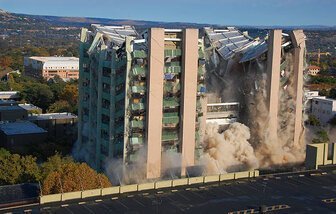
Demolition Methods
Explore the critical process of building demolition in Lancashire, focusing on common methods such as mechanical and manual demolition. Discover the importance of safety and compliance with local regulations to ensure responsible practices
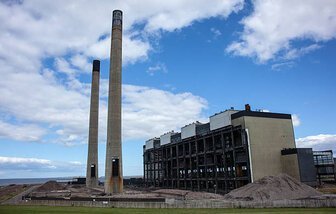
When do the CDM Regulations apply?
The Construction (Design and Management) Regulations 2015 (CDM Regulations) are vital for ensuring safety and effective management in construction projects.
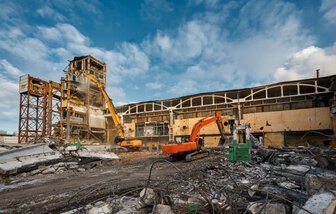
Managing Asbestos In Demolition
Managing asbestos in a demolition project in Lancashire is a critical aspect that demands meticulous planning and execution. Asbestos, a once commonly utilized material in construction, poses significant health risks when disturbed.
Managing Waste In Demolition
Managing demolition waste in Lancashire is a vital responsibility that contractors, builders, and property owners must undertake. Under UK environmental regulations, there is a legal duty of care on waste producers to ensure that waste is managed responsibly.
Ready to start your project?
Let's Work Together
If you’re looking to initiate a project, you’re in the right place. To get started, please complete the form provided below. Share your project details, and our dedicated team will review your requirements promptly. Our goal is to offer tailored solutions that cater specifically to your needs.
Once we receive your submission, you will receive a confirmation email. We encourage you to check all your email boxes to ensure you don’t miss our response. Our team is committed to promptly reviewing your project details, whether it involves a small-scale endeavor or a large-scale development.
Direct Submissions for Faster Quotes
If you already have a project in mind and would like to receive a direct price quote, please feel free to send us your project documents and any relevant photographs at projects@completeuk.uk. We will meticulously evaluate these documents and provide you with a competitive quote along with a clear timelines for the entire process—from inception to completion.