
Section 79 Demolition Notice Lancashire
Explore the significance of Section 79 of the Building Act 1984, which empowers local authorities in Lancashire to address ruinous or dilapidated structures that threaten neighborhood quality. This section plays a vital role in preserving public amenity and ensuring that communities remain pleasant and functional. Understand how Section 79 differs from other sections of the Act, emphasizing aesthetic and functional building aspects for improved community well-being.
Understanding Section 79 of the Building Act 1984 in Lancashire
Section 79 of the Building Act 1984 plays a crucial role in maintaining the quality of neighborhoods across Lancashire and other regions of the UK.
This section empowers local authorities to take necessary actions against buildings or structures that are categorized as ruinous or dilapidated. The focus here is primarily on preserving public amenity, ensuring that neighborhoods remain pleasant and functional.
Empowering Local Authorities
Local authorities in Lancashire are granted the responsibility to assess the condition of buildings and determine whether they are detrimental to the surrounding environment.
Under Section 79, they can initiate proceedings to address properties that pose serious concerns regarding their impact on public life. This initiative is essential in preventing decay and promoting community well-being.
Difference from Other Sections
While Section 79 is primarily concerned with public amenity, it is important to clarify its distinction from Sections 77 and 78 of the Building Act.
The latter sections address immediate structural dangers, such as buildings that may pose risks to safety. In contrast, Section 79 emphasizes the aesthetic and functional aspects of buildings, thereby fostering a harmonious community environment.
Section 79 demolition enforcement notice Preston, Blackpool, Blackburn, Lancaster, Burnley, Morecambe, Ormskirk, Fleetwood, Accrington, Skelmersdale, Chorley, Heysham, Darwen, Longridge, Leyland, Oswaldtwistle, Great Harwood, and Poulton-le-Fylde
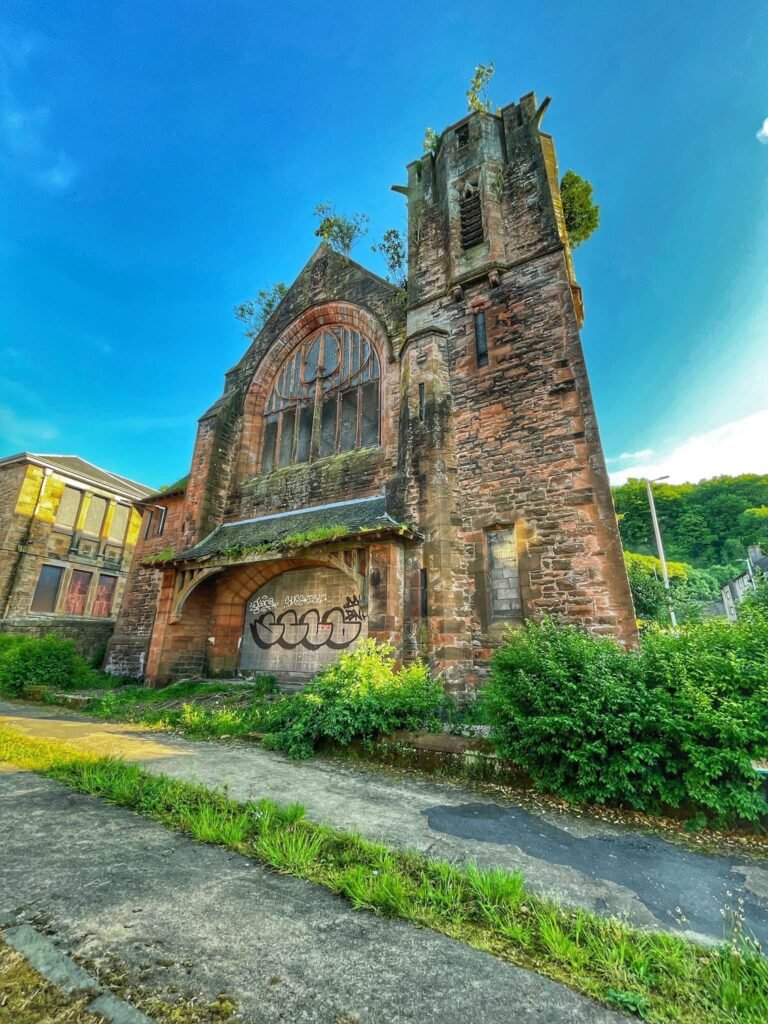
Understanding Section 79 Notices: Key Provisions and Owner Responsibilities
Section 79 of the relevant legislation empowers local authorities to ensure the safety and maintenance of properties within their jurisdictions. When a property is identified as having an adverse effect on public safety or amenity, the local authority may issue a Section 79 notice. This notice serves as a formal requirement for property owners to take necessary actions regarding their buildings.
Key Provisions of Section 79
Under a Section 79 notice, property owners are mandated to execute specific works aimed at repair or restoration. This could involve significant renovations to rectify issues that may pose risks to public safety or the environment. The local authority specifies the nature of the required works and the timeline for completion, ensuring that remedial actions are conducted promptly.
Options for Property Owners
If repair or restoration is not a viable option, the property owner may opt to demolish the building or structure, either in whole or in part. This course of action necessitates that all debris, rubbish, and resultant materials are removed from the site responsibly. Local authorities often oversee this process to guarantee that it complies with established regulations and maintains community standards.
In summary, understanding the key provisions of Section 79 is crucial for property owners facing a notice. Compliance not only ensures legal adherence but also fosters community safety and aesthetics.
Identifying Dangerous Buildings
In Lancashire, local authorities such as Preston City Council and South Ribble Borough Council are tasked with managing dangerous or ruinous buildings. The process typically begins with the identification of such a structure, which is often initiated by public reports. Community members play a crucial role in alerting authorities to buildings that may pose a risk due to their dilapidated state. This communal vigilance ensures that potentially hazardous structures are addressed promptly.
Inspection and Assessment
Once a building has been flagged, a building control surveyor is dispatched to carry out an inspection. This step is vital for assessing the condition of the property and determining whether the issuance of a notice is warranted. The surveyor evaluates the structural integrity and potential hazards associated with the building. Their expertise allows them to make informed decisions about necessary actions moving forward.
Issuing Notices and Owner Compliance
If the surveyor concludes that action is required, the local authority will issue a Section 79 notice to the owner. This notice outlines the required works that need to be carried out, along with a specified timeframe for completion. It is now the owner’s responsibility to either repair or restore the building, or to opt for demolition if that is the more viable solution. Should the owner neglect to fulfill the notice within the indicated period, the local authority has the authority to intervene, executing the required works themselves and recouping costs from the owner. This process aims to ensure the safety and aesthetics of Lancashire’s communities while holding property owners accountable.
Understanding Unsafe Buildings
Identifying an unsafe building is vital for community safety. A structure may be considered unsafe if it is ruinous or dilapidated. In Lancashire, individuals play a critical role in keeping their neighborhoods safe by reporting such buildings. If you find yourself in a situation where a building poses a risk, it is important to act promptly.
How to Report to Your Local Authority
Each local authority in Lancashire has specific procedures for reporting unsafe buildings. For example, if you wish to report a dangerous building in Preston, you can do so via the Preston City Council’s website or by contacting their building control office directly. This is a straightforward way to ensure your concerns are officially recorded.
Contacting Other Local Councils
Other areas, such as South Ribble, Blackburn with Darwen, and West Lancashire, also provide channels for reporting unsafe structures. South Ribble Borough Council allows residents to report insecure or dangerous buildings through their website as well. Blackburn with Darwen encourages concerns to be directed to their building control team, while West Lancashire Borough Council offers comprehensive information on their website regarding dangerous buildings. It is essential to utilize these resources to ensure public safety.
Introduction to Dangerous Structures
Structures deemed dangerous can pose significant threats to public safety. These buildings may be at risk of collapsing or suffering from severe structural issues. It is crucial to understand the risks involved and to avoid attempting to enter or approach such sites. Safety should always be a priority when dealing with potentially hazardous buildings.
Emergency Powers and Public Safety
In situations where immediate dangers arise, emergency powers are implemented under sections 77 and 78. These regulations empower local authorities to take necessary actions to ensure public safety. This can involve immediate demolition of a dangerous structure when it poses an imminent threat to those in the vicinity. Public awareness of these measures is vital for community safety and the well-being of individuals.
The Importance of Awareness
Recognizing the signs of a potentially dangerous structure can save lives. Signs may include visible cracks, sagging roofs, or displacements in the structure. It is imperative for community members to stay informed and prioritize their safety by steering clear of such structures. If you suspect that a building is dangerous, report it to local officials rather than attempting to investigate on your own.

Planning and Legal Requirements
Understanding the importance of compliance in demolition projects is crucial for safety and environmental impact. This article explores key legislation such as the Building Act 1984, the Town and Country Planning Act 1990

Section 80 Demolition Notice
Under Section 80 of the Building Act 1984, there are specific legal requirements for carrying out demolition work. This regulation aims to ensure the safety and compliance of demolition activities and protect adjoining properties and public interests.

Unsafe Building Demolition S79
Explore the significance of Section 79 of the Building Act 1984, which empowers local authorities in Lancashire to address ruinous or dilapidated structures that threaten neighborhood quality. This section plays a vital role in preserving public amenity
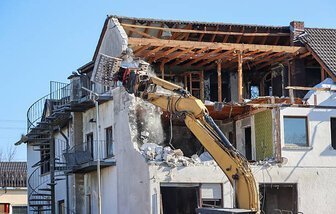
House Demolition Costs
It is crucial for homeowners to budget appropriately for a successful demolition project. It’s advisable to obtain multiple quotes from licensed demolition contractors in Lancashire to ensure a fair price.

Pre-Demolition Surveys
A pre-demolition survey is an essential inspection conducted before any demolition project in Lancashire. It identifies hazardous materials, especially asbestos, ensuring compliance with health and safety regulations.
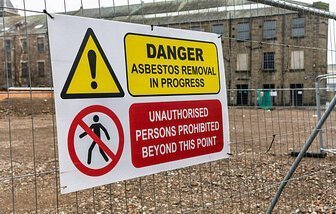
Building Demolition Costs
Factors influencing these costs include the complexity of the demolition, the materials involved, and any necessary permits that need to be secured. Environmental considerations, like asbestos removal, can also increase the overall expense.
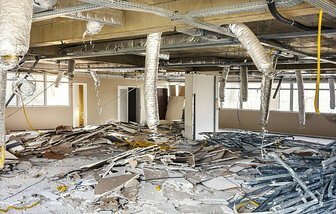
Do I Need Permission To Demolish a Building?
Building demolition in Lancashire involves a careful adherence to specific legal requirements and safety regulations, primarily guided by the Building Act 1984.
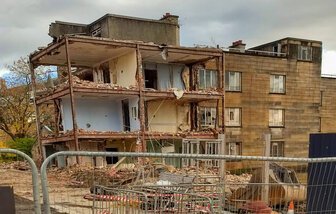
Pre-Demolition Process
The building demolition process in Lancashire involves several critical steps that ensure the procedure is conducted safely and efficiently. From the initial site survey to the actual demolition
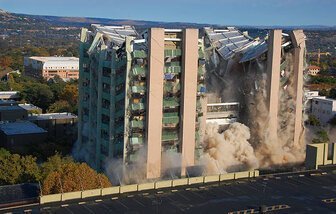
Demolition Methods
Explore the critical process of building demolition in Lancashire, focusing on common methods such as mechanical and manual demolition. Discover the importance of safety and compliance with local regulations to ensure responsible practices
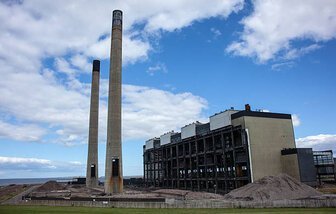
When do the CDM Regulations apply?
The Construction (Design and Management) Regulations 2015 (CDM Regulations) are vital for ensuring safety and effective management in construction projects.
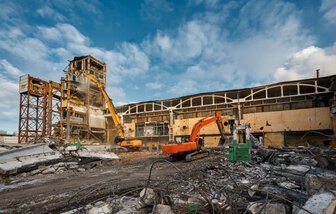
Managing Asbestos In Demolition
Managing asbestos in a demolition project in Lancashire is a critical aspect that demands meticulous planning and execution. Asbestos, a once commonly utilized material in construction, poses significant health risks when disturbed.
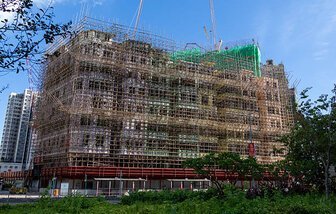
Managing Waste In Demolition
Managing demolition waste in Lancashire is a vital responsibility that contractors, builders, and property owners must undertake. Under UK environmental regulations, there is a legal duty of care on waste producers to ensure that waste is managed responsibly.
Ready to start your project?
Let's Work Together
If you’re looking to initiate a project, you’re in the right place. To get started, please complete the form provided below. Share your project details, and our dedicated team will review your requirements promptly. Our goal is to offer tailored solutions that cater specifically to your needs.
Once we receive your submission, you will receive a confirmation email. We encourage you to check all your email boxes to ensure you don’t miss our response. Our team is committed to promptly reviewing your project details, whether it involves a small-scale endeavor or a large-scale development.
Direct Submissions for Faster Quotes
If you already have a project in mind and would like to receive a direct price quote, please feel free to send us your project documents and any relevant photographs at projects@completeuk.uk. We will meticulously evaluate these documents and provide you with a competitive quote along with a clear timelines for the entire process—from inception to completion.