
Section 80 Demolition Notice Demolition Lancashire
Learn about the essential demolition regulations under Section 80 of the Building Act 1984. Discover the notification requirements for demolition work, including the need to inform local councils ahead of time to ensure safety and compliance. Understand what details to include in your notice and the potential responses from the council, including any necessary conditions for safe and compliant demolition practices.
Understanding Demolition Notification under the Building Act 1984
Under Section 80 of the Building Act 1984, there are specific legal requirements for carrying out demolition work. This regulation aims to ensure the safety and compliance of demolition activities and protect adjoining properties and public interests.
Notification Requirement
Anyone intending to demolish a building, or any part of it, with a volume exceeding 50 cubic metres (approximately 1750 cubic feet) must notify the local council in writing.
The notice should typically be submitted at least six weeks prior to the commencement of the demolition work. This advance notice is crucial for the council to assess the proposed demolition and evaluate any potential risks or impacts.
Details to Include in the Notice
The notification must include essential details regarding the building scheduled for demolition and the method planned for tearing it down.
These particulars allow the council to determine any requirements or conditions that may be necessary to safeguard public and environmental interests.
Following receipt of the notice, the council has a six-week period to respond, potentially issuing a Section 81 notice which outlines any conditions or modifications needed for the demolition process.
Section 80 demolition notice Preston, Blackpool, Blackburn, Lancaster, Burnley, Morecambe, Ormskirk, Fleetwood, Accrington, Skelmersdale, Chorley, Heysham, Darwen, Longridge, Leyland, Oswaldtwistle, Great Harwood, and Poulton-le-Fylde
Understanding the Section 80 Demolition Notice Process: A Comprehensive Guide
Key Components of the Notice
When drafting a Section 80 notice, it’s essential to include specific details about the building. Start with the full name and exact location of the building set for demolition. This information helps authorities easily identify the site.
Next, a clear description of the intended demolition work should be outlined. This description should provide insight into the methods and timeline for the project, helping to mitigate any potential concerns from the community.
A detailed site plan is also a crucial element of the notice. This plan should visually indicate the building to be demolished and the extent of the work. Including this helps ensure all parties understand the scope of operations and minimizes disruption in the surrounding area.
Communication with Relevant Parties
Lastly, it’s vital to send the notice to the owners of any adjacent buildings. Maintaining open lines of communication fosters positive relations and prevents misunderstandings between neighbors. Additionally, it is essential to inform gas and electricity suppliers about the demolition schedule to ensure safety and service continuity.
In summary, a comprehensive Section 80 notice includes detailed building information, a thorough demolition description, a clear site plan, and proper communication with affected parties. By adhering to these guidelines, you can facilitate a smooth demolition process.
Timelines for Notice Submission
According to the regulations, the notice for demolition must be submitted at least six weeks prior to the intended start date. This six-week window is crucial, as it allows the local authority adequate time to review the submission and respond as necessary. The waiting period not only helps in ensuring safety protocols are in place but also aids in considering any objections or counter-notices from the community.
Fees and Processing of the Notice
It is important to note that a processing fee is typically required when submitting your Section 80 notice. This fee is paid to the local authority and may vary depending on the locality and the nature of the demolition. Without fulfilling this financial obligation, the submission may be delayed or rejected, subsequently affecting your demolition timeline. Remember, you cannot begin demolition until the six-week period has elapsed or until you receive a counter-notice from the council, making timely submission crucial.
Overview of Section 80 Exemptions
The demolition of buildings can often be a complex process, heavily regulated by local laws and regulations. Section 80 of the Building Act provides specific exemptions concerning demolitions. It is essential to understand these exemptions in order to navigate and comply with the regulatory landscape effectively.
Exemptions for Smaller Structures
One of the pivotal exemptions under Section 80 pertains to buildings with a cubic content of not more than 1750 cubic feet. If your structure falls within this size, you may be exempt from the usual demolition requirements. This facilitates a more straightforward approach to deconstruction, particularly for minor buildings or structures.
Demolishing Internal Parts and Agricultural Buildings
Additionally, certain conditions allow for the demolition of internal parts of buildings that are currently occupied. It ensures minimal disruption while allowing necessary renovations or alterations to proceed. Furthermore, agricultural buildings have their own exemptions, especially if they are not attached to non-agricultural buildings. This entails that demolishing greenhouses, conservatories, sheds, or prefabricated garages may fall under these exemptions, making the process more efficient for agricultural properties.
Understanding the nuances of Section 80 exemptions is crucial for property owners and professionals involved in demolition. Being informed not only helps in ensuring compliance but also streamlines the entire demolition process, providing peace of mind to those involved.
Responses from the Council
Once your Section 80 Notice has been submitted, the council will review your request. If the notice meets the necessary regulations, you will receive approval to proceed. However, should there be any discrepancies or concerns, the council may issue a counter notice. This response indicates that specific actions must be taken or that additional information is required to continue with demolition activities.
Counter Notices Explained
A counter notice may arise under several circumstances. For instance, if demolition work commences without prior notice being delivered, or if the stipulated six-week notice period has not yet elapsed, the council retains the right to intervene. It is important for property owners to navigate this process carefully to avoid any potential delays or penalties.
Contact Your Local Council
To ensure that you are adhering to all protocols, it is advisable to contact your local council directly. They can provide detailed information on the exact requirements for submitting a Section 80 Notice, including the necessary forms and associated fees. These can vary by borough, so obtaining localized guidance is crucial for compliance and project success.

Planning and Legal Requirements
Understanding the importance of compliance in demolition projects is crucial for safety and environmental impact. This article explores key legislation such as the Building Act 1984, the Town and Country Planning Act 1990

Section 80 Demolition Notice
Under Section 80 of the Building Act 1984, there are specific legal requirements for carrying out demolition work. This regulation aims to ensure the safety and compliance of demolition activities and protect adjoining properties and public interests.

Unsafe Building Demolition S79
Explore the significance of Section 79 of the Building Act 1984, which empowers local authorities in Lancashire to address ruinous or dilapidated structures that threaten neighborhood quality. This section plays a vital role in preserving public amenity
House Demolition Costs
It is crucial for homeowners to budget appropriately for a successful demolition project. It’s advisable to obtain multiple quotes from licensed demolition contractors in Lancashire to ensure a fair price.

Pre-Demolition Surveys
A pre-demolition survey is an essential inspection conducted before any demolition project in Lancashire. It identifies hazardous materials, especially asbestos, ensuring compliance with health and safety regulations.
Building Demolition Costs
Factors influencing these costs include the complexity of the demolition, the materials involved, and any necessary permits that need to be secured. Environmental considerations, like asbestos removal, can also increase the overall expense.
Do I Need Permission To Demolish a Building?
Building demolition in Lancashire involves a careful adherence to specific legal requirements and safety regulations, primarily guided by the Building Act 1984.
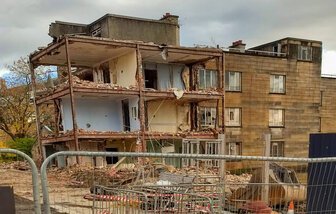
Pre-Demolition Process
The building demolition process in Lancashire involves several critical steps that ensure the procedure is conducted safely and efficiently. From the initial site survey to the actual demolition
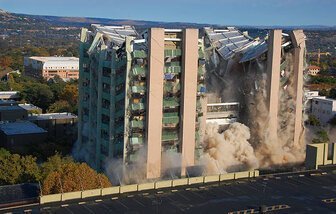
Demolition Methods
Explore the critical process of building demolition in Lancashire, focusing on common methods such as mechanical and manual demolition. Discover the importance of safety and compliance with local regulations to ensure responsible practices
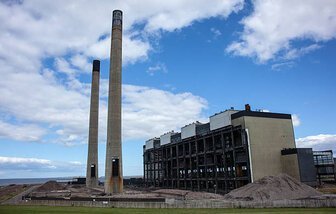
When do the CDM Regulations apply?
The Construction (Design and Management) Regulations 2015 (CDM Regulations) are vital for ensuring safety and effective management in construction projects.
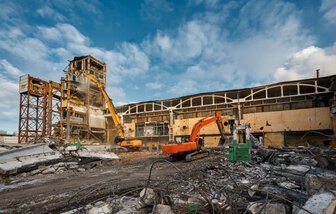
Managing Asbestos In Demolition
Managing asbestos in a demolition project in Lancashire is a critical aspect that demands meticulous planning and execution. Asbestos, a once commonly utilized material in construction, poses significant health risks when disturbed.
Managing Waste In Demolition
Managing demolition waste in Lancashire is a vital responsibility that contractors, builders, and property owners must undertake. Under UK environmental regulations, there is a legal duty of care on waste producers to ensure that waste is managed responsibly.
Ready to start your project?
Let's Work Together
If you’re looking to initiate a project, you’re in the right place. To get started, please complete the form provided below. Share your project details, and our dedicated team will review your requirements promptly. Our goal is to offer tailored solutions that cater specifically to your needs.
Once we receive your submission, you will receive a confirmation email. We encourage you to check all your email boxes to ensure you don’t miss our response. Our team is committed to promptly reviewing your project details, whether it involves a small-scale endeavor or a large-scale development.
Direct Submissions for Faster Quotes
If you already have a project in mind and would like to receive a direct price quote, please feel free to send us your project documents and any relevant photographs at projects@completeuk.uk. We will meticulously evaluate these documents and provide you with a competitive quote along with a clear timelines for the entire process—from inception to completion.